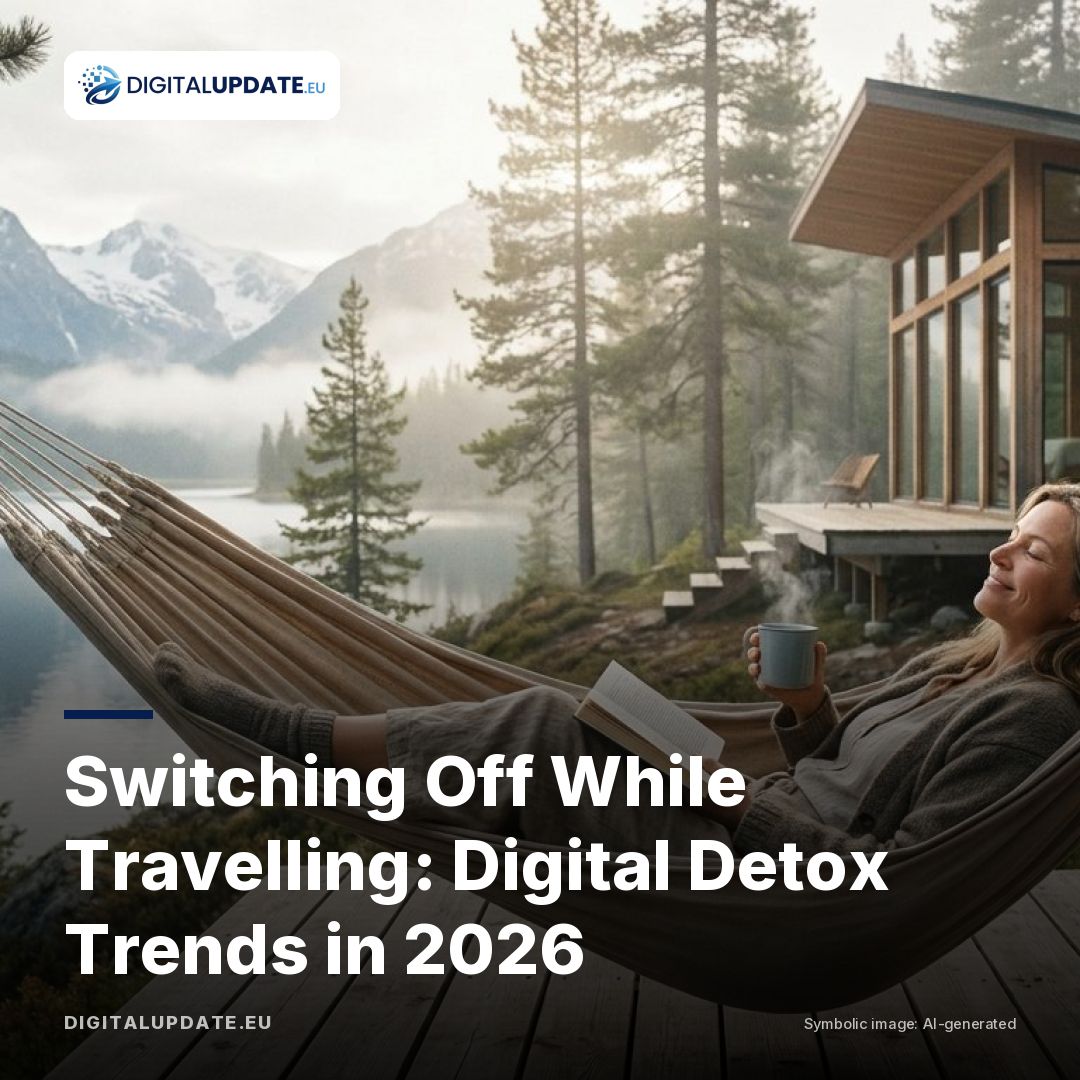
In 2026, the demand for digital detox holidays is at an all-time high as more travellers seek restorative breaks away from their devices. Innovative hotels and travel providers are responding with new concepts to help guests disconnect, reduce stress, and experience deeper relaxation.
Digital detox holidays are experiencing a remarkable boom in 2026: more and more people are deliberately seeking travel concepts that provide conscious time away from smartphones, laptops, and the internet. The need to regularly take a break from always being reachable—and thus to enhance personal well-being—has never been greater. Digital detox hotels, retreats, and specialised travel operators are setting new standards—both in the design of their services and in the expectations of travellers.
- Increasing numbers of people are consciously incorporating digital breaks into their travel plans
- Hotels and destinations are developing innovative detox concepts for 2026
- Those who switch off enjoy more restful holidays and lasting stress relief
Why is digital detox on holiday especially relevant in 2026?
With the ongoing digitalisation of everyday life and the blurring boundaries between work and leisure, many travellers are increasingly seeking defined offline periods. While remote work and flexible office arrangements offer freedom, they often make it harder to separate professional and personal life. Holidays have thus become an oasis for recuperation, where digital devices are intentionally turned off. Studies on work-life balance confirm in 2026 that deliberate digital breaks can reduce the risk of burnout and contribute to greater well-being.
The new detox concepts: How hotels and travel providers are responding
The travel industry’s innovative players have long recognised that the ability to ‘switch off’ has become a central expectation of their guests. Hotels are therefore creating protected offline zones in their premises, offering technology guardians at reception, and experiences that don’t rely on digital devices. Some resorts are even removing Wi-Fi in certain areas or have guests symbolically lock away smartphones at check-in. Travel operators are also developing themed packages for 2026, such as hiking trips in remote areas or surf camps where a conscious connection to nature is emphasised.


How to successfully start your digital detox
A successful digital break often begins with a simple, conscious decision not to use your device for a specific period. Many travellers report that just a few days without constant notifications measurably reduce their stress levels. Practical tips for a successful detox include disabling push notifications, proactively informing your contacts about your planned unavailability, and packing traditional travel books instead of e-readers. The most common challenge is the adjustment phase: the ‘digital withdrawal’ can be a psychological hurdle, but it ultimately offers surprising new perspectives on how to spend your free time.
Social background: How attitudes towards the digital world are changing
In 2026, debates about data privacy, information overload, and the effects of constant availability are increasingly part of the public conversation. Many companies not only adopt digital detox retreats for employee well-being, but also weave them into leadership development. Meanwhile, families and groups of friends are developing new rituals to enjoy social time together without screens. While digitalisation remains indispensable, conscious digital breaks are becoming established as a valuable resource.
Typical challenges of digital detox when travelling
Travellers seeking digital breaks often report internal resistance to actually letting go of their phones. Concerns about missing important messages or not being reachable prevent many from fully switching off. There’s also the fear of missing out (FOMO), particularly during the era of social media. For companies offering detox concepts, the challenge is to create authentic experiences without making guests feel deprived or forced.
Current developments: What distinguishes detox offers in 2026?
In 2026, the most successful detox offers strike a balance between voluntary abstention and attractive alternative programmes. Holiday providers combine their packages with mindfulness workshops, digital hygiene seminars, and activities purposely designed to be gadget-free. Destinations work closely with local partners to promote traditional crafts, nature experiences, and shared activities. Interestingly, many family holidays now include dedicated detox days, where parents and children go offline together. If you are interested in family-friendly holiday ideas, check out Family Holidays: Top Child-Friendly Destinations and Practical Tips and Holidays with the Family: What You Should Consider for Unforgettable Family Trips.
Digital detox trends: A look to the future
The demand for digital breaks is expected to keep growing in the coming years. Experience shows that after a conscious digital detox, travellers are more relaxed, attentive, and gain a newfound appreciation for analogue experiences. Providers will continue to diversify their detox offerings, from minimalist retreats to comprehensive programmes for individuals, families, and businesses. It’s well worth keeping an eye on this trend—not least for the sake of your own health and for more sustainable travel experiences.
In conclusion, it’s clear that by 2026, digital them-time on holiday is no longer a fringe pursuit but a firm part of modern travel culture. Those who give it a try discover a new quality of experience—and often take valuable insights home to their everyday lives. Perhaps your next break will be a successful digital detox?